
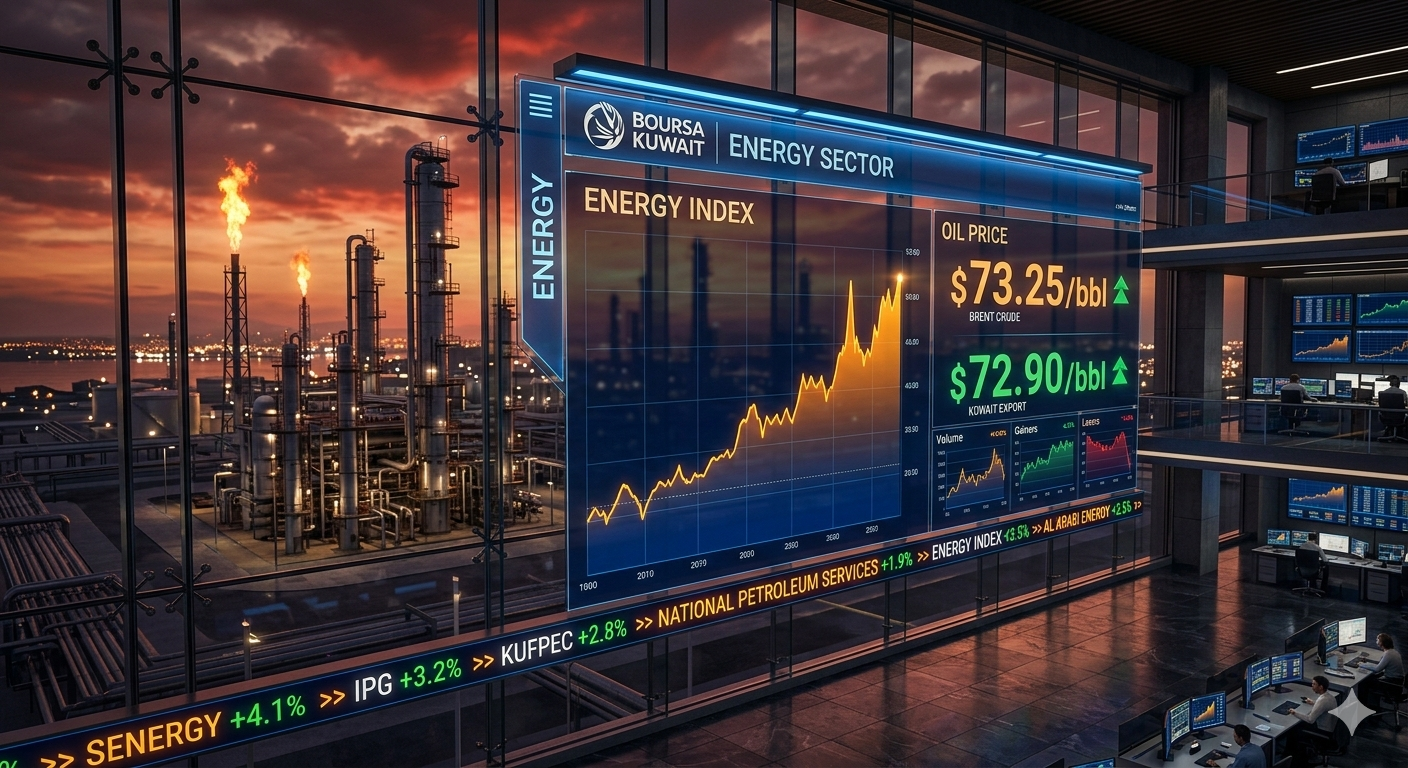
Kuwait’s economy remains heavily reliant on oil exports, with hydrocarbons contributing significantly to government revenues and overall GDP. Consequently, any geopolitical instability in the region has immediate repercussions on the energy sector.
Oil Price Volatility
Following news of regional escalations, Brent and WTI crude oil prices surged due to fears of supply disruptions. Traders anticipated potential risks to shipping routes and refinery operations, prompting short-term market corrections and affecting global oil futures.
Kuwait, as a member of OPEC, has closely monitored these price movements. Oil price surges can increase government revenues in the short term, but they also introduce challenges for economic planning, inflation control, and budget allocations.
Government and Corporate Response
The Kuwait Petroleum Corporation (KPC) has been proactive in monitoring oil export logistics, adjusting shipment volumes, and hedging against price volatility. The government has reassessed fiscal forecasts to account for fluctuations in oil revenue while ensuring ongoing support for domestic economic initiatives.
Impact on Local Businesses
Higher oil prices increase operational costs for industries dependent on fuel, including transportation, manufacturing, and construction. Businesses have had to adjust budgets, renegotiate contracts, and implement efficiency measures to absorb the rising costs without passing excessive burdens to consumers.
Diversification and Strategic Planning
The volatility underscores the importance of Kuwait’s Vision 2035 economic diversification strategy, which emphasizes investment in knowledge-based industries, technology, finance, and services. Reducing reliance on oil revenues is critical for stabilizing the economy during periods of geopolitical uncertainty.